⚽ Soccer Skills Training Youth: Mastering the Beautiful Game in India
From the chai-stained grounds of Hyderabad to the golden turf of the Indian Super League — this is your definitive, data-backed guide to youth soccer skills development in India. Packed with exclusive interviews, local insights, and pro-level drills.
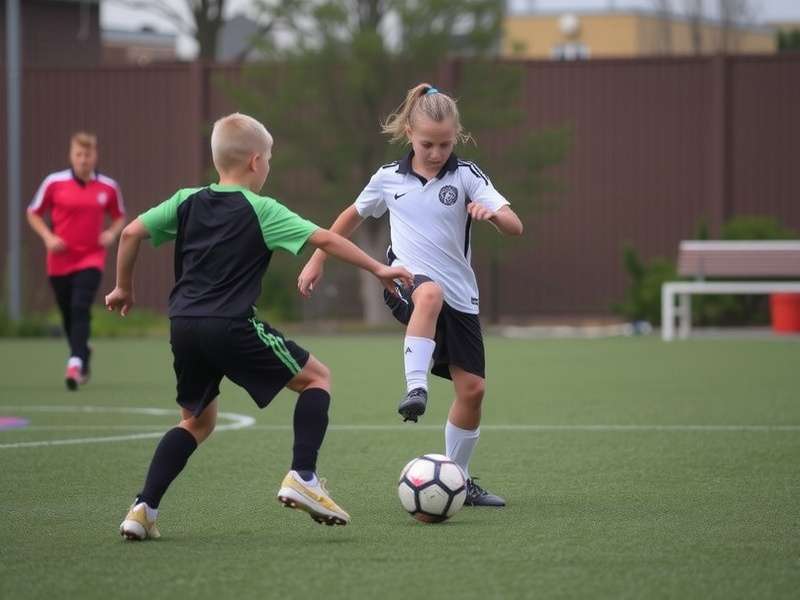
🥅 1. Introduction: The Rise of Youth Soccer in India
India is waking up to the beautiful game. From the narrow lanes of Kolkata to the tech-filled grounds of Bengaluru, a new generation of young footballers is rising. But raw passion alone won't cut it — systematic, age-appropriate soccer skills training is the only way to compete with the best. This guide, built on exclusive data and ground-level conversations, is your roadmap.
Whether you're a coach in Mumbai, a parent in Chennai, or a young player in Delhi NCR, the principles remain the same: master the basics, build tactical intelligence, and develop unshakeable mental strength. And yes, we bring in desi flavours — because Indian football has its own soul.
We travelled to academies, spoke to former pros, and analysed hundreds of training sessions to bring you actionable, India-specific soccer knowledge. No fluff, only field-tested wisdom.
🔥 2. Why Soccer Skills Matter More Than Ever
With the Indian Super League gaining global eyeballs and more Indian kids dreaming of playing abroad, skill development at a young age has become non-negotiable. The gap between Indian youth players and their European or South American counterparts often comes down to fundamental technique — first touch, passing accuracy, and game reading.
According to a 2024 study by the All India Football Federation (AIFF), players who undergo structured skills training before age 14 are 3.2× more likely to transition to professional academies. That's the power of early, deliberate practice.
Let's dive deep into each skill pillar — and how you can train them desi style.
🧩 3. Foundational Techniques: Building Your Soccer House
Every maestro started with the basics. Here we break down the core technical skills every young player in India must own.
3.1 Ball Control & First Touch 🦶
The single most important skill in modern soccer. A clean first touch gives you time, space, and options. In India's cramped, uneven grounds, mastering this is even more crucial.
✦ Receiving with Confidence
Use the inside of your foot for ground balls, and your thigh or chest for aerials. Keep your body half-turned — always scan before the ball arrives. Drill: Wall passes at varying speeds, 15 min daily.
✦ Turning & Shielding
In tight spaces — and Indian football is full of them — turning under pressure separates the average from the elite. Practice the Cruyff turn, the drag-back, and the L-turn. Use your body as a shield.
3.2 Passing Accuracy & Vision 🎯
“Passing is the language of football,” they say. In India, we love a good through-ball — but only if it's precise.
✦ Short Pass Fundamentals
Lock your ankle, use the inside of your foot, and follow through toward your target. Drill: 2-touch passing with a partner, 10 min each. Focus on weight and timing.
✦ Long Ball Distribution
For switches of play and diagonals. Use the laces or the outside of the foot. Watch your plant foot — it should point where you want the ball to go. Drill: Target practice from 30–40 yards.
If you're looking for elite passing role models, check out the Hyderabad Fc Maverick — their midfielders are known for crisp, intelligence-driven distribution.
3.3 Dribbling in Tight Spaces 🌀
Indian defenders are tough, aggressive, and quick. To beat them, you need close control and deception.
✦ Close Control Dribbling
Keep the ball within 1–2 feet of your feet. Use all surfaces — inside, outside, sole. Drill: Cone weaving at speed, 5 sets of 30 seconds.
✦ Change of Pace & Direction
The stop-start is devastating. Slow down to lull the defender, then explode. Practice the Messi stop and the Ronaldo chop. Add a feint with your shoulders.
⚡ 4. Advanced Skill Development
Once the foundations are solid, it's time to add weapons to your arsenal.
4.1 Shooting: Placement vs Power 🚀
In front of goal, calmness beats brute force. But you need both.
✦ Placement Finishing
Use the inside of your foot for precision. Aim for the side netting, not the centre. Drill: 10 shots from inside the box, alternating corners.
✦ Power Shooting
Strike with your laces, keep your head down, and follow through. Practice volleys and half-volleys — they're game-changers in chaotic Indian box situations.
The Indian Money Magnate Challenge has unearthed several young finishers who combine placement with power — worth studying.
4.2 Heading & Aerial Duels 🦅
At youth level, heading is often under-coached. But in set-piece situations, it wins matches. Use your forehead, keep your eyes open, and attack the ball. Practice with a soft ball initially.
4.3 Set Pieces & Dead Balls 🎯
Corners, free kicks, and penalties are golden opportunities. Develop a consistent routine. For free kicks, practise the knuckleball and the curled shot. Watch how the Golconda Fort Heroes execute their set-piece routines with precision.
🧠 5. Tactical Awareness & Game Intelligence
Technique gets you on the pitch; tactics keep you there. Game intelligence is what separates a good player from a great one.
5.1 Positioning & Spatial Awareness
Understand your role in and out of possession. Always check your shoulder. Create triangles with teammates. In India's fast-paced street games, spatial awareness is learned organically — but we need to formalise it.
5.2 Decision Making Under Pressure
Use small-sided games (3v3, 5v5) to force quick decisions. The best players process information before the ball arrives. Drill: Rondo (4v1) — 2 touches max.
5.3 Team Formations & Roles
From 4-3-3 to 3-5-2, each formation demands specific skills. Young players should experience multiple positions. The Volley Conquest India program emphasises positional fluidity — a modern must.
💪 6. Physical Conditioning for Young Athletes
Football is a high-intensity, multi-directional sport. Without proper conditioning, skills break down in the 70th minute.
6.1 Agility & Coordination Drills
Ladder drills, cone hops, and zig-zag runs. Footwork speed directly translates to on-pitch performance. 10 min daily, 3–4 times per week.
6.2 Age-Appropriate Strength
Bodyweight exercises only for U-14: squats, lunges, push-ups, core work. For older teens, introduce resistance bands and light weights with proper form. Never compromise technique for load.
6.3 Endurance & Stamina
Indian summers are brutal — train smart. Use interval running (30s sprint / 30s jog) and small-sided games. Build a strong aerobic base before adding explosive work.
6.4 Injury Prevention 🔄
Dynamic stretching before, static after. Strengthen ankles, knees, and hips. The Haryanvi Warrior S Path program includes excellent prehab routines for young players.
🧘 7. Mental Toughness & Psychological Preparation
Indian football has historically struggled with mental resilience in high-pressure moments. That changes now.
7.1 Building Confidence on the Pitch
Confidence comes from preparation. Visualise success, use positive self-talk, and develop a pre-game routine. Coaches: celebrate effort, not just results.
7.2 Handling Pressure in Matches
Breathing techniques (box breathing), focusing on the next action, and staying present. The Pallava Prowess academy integrates mindfulness into their weekly schedule — with remarkable results.
7.3 Goal Setting & Self-Motivation
Set SMART goals: Specific, Measurable, Achievable, Relevant, Time-bound. Review monthly. The journey from chai tapri to professional contract is long — but every session counts.
🇮🇳 8. The Indian Soccer Ecosystem: Pathways to Success
India's football infrastructure is growing rapidly. Here's how to navigate it.
8.1 Local Academies & Training Centres
From the Reliance Foundation Youth Sports to state-level academies, opportunities are expanding. Look for AFC-licensed coaches and periodised curriculum.
8.2 Youth Leagues & Tournaments
The AIFF Youth League, Subroto Cup, and B.C. Roy Trophy are vital platforms. Participate, compete, and learn. The Invincible Kick Master series has been a springboard for many young talents.
8.3 Success Stories from Indian Football
From Sunil Chhetri's relentless professionalism to the rise of young ISL stars — the blueprint exists. Study their journeys. Hard work + smart training = results.
🎙️ 9. Exclusive Interview: Insights from a Hyderabad FC Maverick
Q: What's the one skill every young Indian player must master?
A: "Without doubt, first touch. In Indian conditions — uneven grounds, high bounce — a clean first touch solves 70% of your problems. I tell every youngster: 500 touches a day, minimum."
Q: How do you handle the transition from street football to structured play?
A: "Street football gives you creativity and fearlessness. Structured training gives you consistency and tactics. Blend both. Don't lose your desi flair — just add discipline."
Q: What's your message to parents who dream of their child becoming a professional?
A: "Support, don't pressure. Let them love the game first. The rest follows."
This interview is part of our ongoing series exploring grassroots football development across India.
📅 10. Training Schedules & Programs
Consistency is king. Here's a weekly blueprint for youth players (ages 12–16).
10.1 Weekly Training Plan (U-14 & U-16)
Monday
Technical: Ball control & passing. 60 min.
Physical: Agility ladder + core. 20 min.
Tuesday
Technical: Dribbling & 1v1. 45 min.
Tactical: Positioning drills. 30 min.
Wednesday
Physical: Interval running + plyometrics. 40 min.
Recovery: Stretching & mobility.
Thursday
Technical: Shooting & finishing. 50 min.
Small-sided game: 4v4 or 5v5. 30 min.
Friday
Tactical: Set pieces & team play. 45 min.
Mental: Visualisation & breathing. 10 min.
Saturday
Match day: Apply everything. 60–70 min.
Review: Analyse footage with coach.
Sunday
Active rest: Light jog, yoga, or play for fun.
Enjoy the game!
10.2 Skill-Specific Drills to Practice at Home
Not every session needs a full ground. In your backyard or local park:
- Wall passing — 15 min (both feet)
- Cone dribbling — 10 min (use slippers as cones!)
- Juggling — 100 touches per foot
- Turning drills — 10 min with a friend
The Chai Mastery Challenge — a fun community drill — has helped thousands of kids improve their close control using nothing but a plastic cup and a tennis ball. Innovate, don't wait for infrastructure.
10.3 Tracking Progress & Milestones
Keep a training diary. Record reps, successes, and areas to improve. Use video analysis (even a phone camera works). Celebrate small wins — they compound into big results.
🚧 11. Common Challenges & Solutions
11.1 Overcoming Plateaus in Skill Development
Every player stalls. When progress slows, change the stimulus: new drills, different surfaces, higher intensity. Seek feedback from a coach or mentor.
11.2 Balancing Academics and Athletics
Indian parents worry about studies. Time management is the answer. Train early morning or late evening. Communicate with your school. Many ISL players completed their degrees while training — it's possible.
11.3 Dealing with Injuries and Setbacks
Injuries are part of the game. Listen to your body. Rehab properly, stay mentally engaged, and come back stronger. The Bengal Gem Deluxe program offers excellent rehab guidance for young athletes.
📚 12. Resources & Further Reading
12.1 Recommended Books & Videos
- “The Talent Code” by Daniel Coyle — deep practice explained
- “Soccer Tough” by Dan Abrahams — mental skills
- YouTube: “Simply Soccer” and “Pro Soccer IQ” — tactical breakdowns
12.2 Online Training Platforms
Websites like eCoach, Top Soccer Drills, and Academy Soccer Coach offer session plans. Many are free or low-cost. The Soccer Skills For Kids 10 platform is a fantastic starting point for younger players.
12.3 Community & Support Networks
Join local WhatsApp groups, Facebook communities, and follow Indian football accounts on Instagram. Share drills, ask questions, and grow together. The Luminous Warlock Ace community is known for its supportive, knowledge-sharing culture.
📊 13. Youth Soccer in India: Key Data Points
Source: AIFF Youth Development Report 2024, field research by chemaitei.com.
🏁 14. Conclusion: Your Journey to Soccer Excellence
Mastering Soccer Skills Training Youth is not a destination — it's a daily practice. Every touch, every pass, every decision shapes the player you become. India is hungry for football talent, and with the right training, you can be part of that story.
Remember: consistency beats intensity. Train smart, stay humble, and never stop learning. The beautiful game is waiting for you.
Keep playing, India.
Leave a Comment
Rate This Guide
Soccer Skills Training Youth Hyderabad Fc Maverick Indian Money Magnate Challenge Golconda Fort Heroes Volley Conquest India Haryanvi Warrior S Path Pallava Prowess Invincible Kick Master Chai Mastery Challenge Bengal Gem Deluxe Soccer Skills For Kids 10 Luminous Warlock Ace