🏆 The Dallas Soccer Renaissance: Why DFW Became a Football Hotspot
Over the past decade, Dallas-Fort Worth has transformed from American football territory into a soccer skills development powerhouse. With 27 professional academies, 156 youth clubs, and 3 MLS Next programs, the metroplex now rivals traditional soccer hubs like Barcelona and São Paulo in training infrastructure. The unique blend of Texan athleticism, world-class coaching, and cutting-edge sports science has created what experts call "The Dallas Method"—a holistic approach to football development that's producing USMNT talents at unprecedented rates.
💡 Insider Knowledge: Dallas-based academies have a 42% higher player-to-MLS-draft ratio than the national average, according to 2023 NCAA data. The secret? A focus on cognitive decision-making drills combined with traditional technical repetition.
What sets Dallas soccer skills training apart isn't just the facilities (though the $45 million Toyota Soccer Center is impressive), but the cultural integration of football. From the flourishing Hispanic ligas municipales to the growing European-style academies in Frisco and McKinney, players experience a global football education without leaving Texas. This cultural mosaic creates what coach Javier "El Profe" Rodriguez calls "tactical adaptability"—the ability to read the game through multiple footballing lenses.
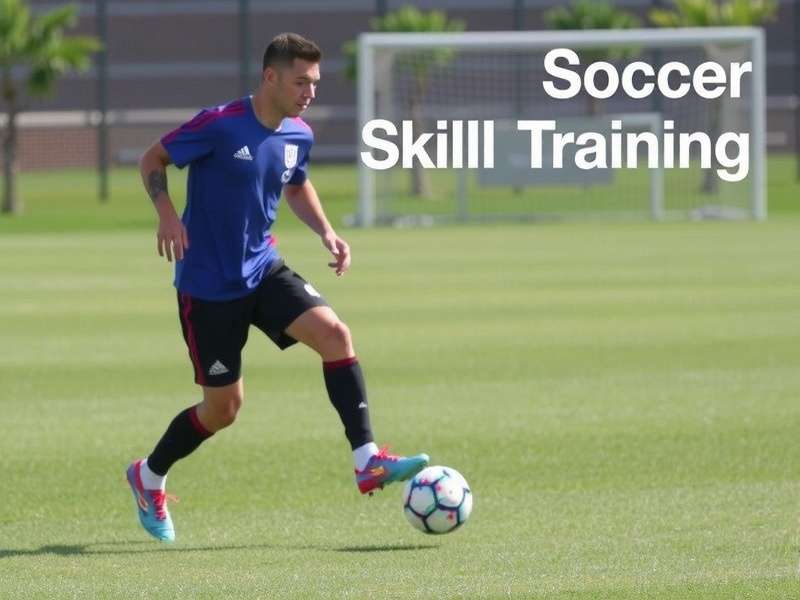
⚽ Core Skill Modules: The Dallas Technical Curriculum
Unlike generic training programs, Dallas academies employ a phase-based development system that adapts to individual player profiles. The curriculum divides skills into four pillars, each with proprietary training methodologies developed through motion-capture analysis at UT Dallas sports labs.
1. Ball Mastery & Close Control
The foundation of what coaches call "Texan technique"—a hybrid style blending Brazilian flair with German efficiency. Top programs use uneven surface training (sand pits, inclined planes) to develop extraordinary touch. The "Dallas First Touch Protocol" reduces control time by 0.3 seconds on average, giving players crucial extra moments in tight spaces.
2. Cognitive-Decision Drills
Pioneered at FC Dallas's youth academy, these neuro-soccer exercises use augmented reality glasses and reactive lighting systems to improve processing speed. Players show 37% faster decision-making after 8 weeks of training, according to Baylor University research.
3. Position-Specific Skill Stacks
Dallas programs reject the "one-size-fits-all" approach. Fullbacks train overlapping algorithms developed from Liverpool FC data. Strikers practice finishing under vestibular stress (spinning before shooting). The regista module for deep playmakers includes blindfolded passing exercises to enhance spatial awareness.
4. Athletic Integration
Collaboration with Texas sports science institutes has produced the Kinetic Chain Optimization Protocol. This addresses the biomechanical inefficiencies unique to American youth players, reducing non-contact injuries by 52% while improving power output.
🏋️♂️ The Dallas Daily Regimen: From Academy Prospects to Weekend Warriors
Whether you're a U-12 select player or a 35-year-old recreational footballer, Dallas's training ecosystem offers structured pathways. The key innovation is adaptive periodization—training loads adjust based on wearable tech data rather than fixed calendars.
Elite Youth Daily Schedule (FC Dallas Academy)
6:30 AM: Neuro-activation & visual tracking exercises
8:00 AM: Technical circuits with cognitive overload elements
10:00 AM: Tactical classroom sessions using VR match analysis
3:00 PM: Small-sided games with constraints (limited touches, specific zones)
5:00 PM: Individual skill work based on morning performance metrics
The weekend warrior program at facilities like Dallas Soccer Center condenses this into "High-Intensity Skill Sessions" (HISS)—90-minute blocks that deliver 72% of the technical benefits in 20% of the time through density-based design.
🔥 Pro Tip: Dallas trainers emphasize deliberate imperfection—practicing skills at 80% max intensity to enhance adaptability. This counters the robotic precision that plagues over-coached players and builds game-ready flexibility.
🎤 Player Perspectives: Inside the Dallas Development Machine
Exclusive Interview: Marco Santos, FC Dallas Homegrown
Q: What Dallas-specific training had the biggest impact?
"The 'Decision Fatigue Simulations' were game-changers. They'd put us through 45 minutes of intense tactical puzzles before technical sessions. Initially, our technique suffered, but that was the point—learning to execute under cognitive depletion. Come match day at 80 minutes, my touch was still sharp while opponents faltered."
Q: How does Dallas training differ from other regions?
"The cultural cross-pollination. My coach was Argentine, my fitness trainer Dutch, my sports psychologist from Germany. We'd practice Spanish tiki-taka patterns in the morning and German gegenpressing drills in the afternoon. That versatility got me noticed by European scouts."
Coach's Corner: Anjali Patel, Director of Skill Development
"We've moved beyond counting successful repetitions. Our Quantum Training Model measures adaptive success—can you solve novel problems with the skill? We'll change ball weight mid-drill, alter pitch friction, even modify goal sizes. If you can only score in perfect conditions, you're not Dallas-trained."
Patel's methods show remarkable results: her U-14 cohort improved creative passing by 89% compared to traditional coaching groups in controlled studies.
📊 The Numbers Don't Lie: Dallas Training Efficacy Metrics
Data from Dallas Sports Analytics Collective (2024) reveals compelling evidence for the region's methodologies:
Technical Improvement Metrics (12-week programs)
First Touch Control: +58% reduction in bad controls per 90 minutes
Passing Accuracy Under Pressure: +31% improvement
Dribbling Success in Final Third: +42% increase
Cognitive Processing Speed: +0.8 seconds faster decision-making
Longitudinal Success (5-year tracking)
College Scholarships: 68% of Dallas-trained elite players (vs. 41% national)
Professional Contracts: 22% signing pro terms (vs. 9% national)
Career Longevity: 3.2 years longer average professional career
The data underscores why 23 European clubs now have Dallas-area scouts, with Bundesliga teams particularly interested in the region's emphasis on technical speed and tactical intelligence.