Overview of Samosa Pool Ace ?
Samosa Pool Ace represents one of India's most cherished traditional games, blending strategic depth with cultural significance. This unique cue sport has captivated players across generations with its distinctive triangular table design and innovative scoring system.
Unlike conventional pool games, Samosa Pool Ace incorporates elements inspired by Indian geometry and mathematical principles. The game's name derives from the triangular shape of the playing field, reminiscent of the popular Indian snack, combined with the precision required to become an "ace" player.
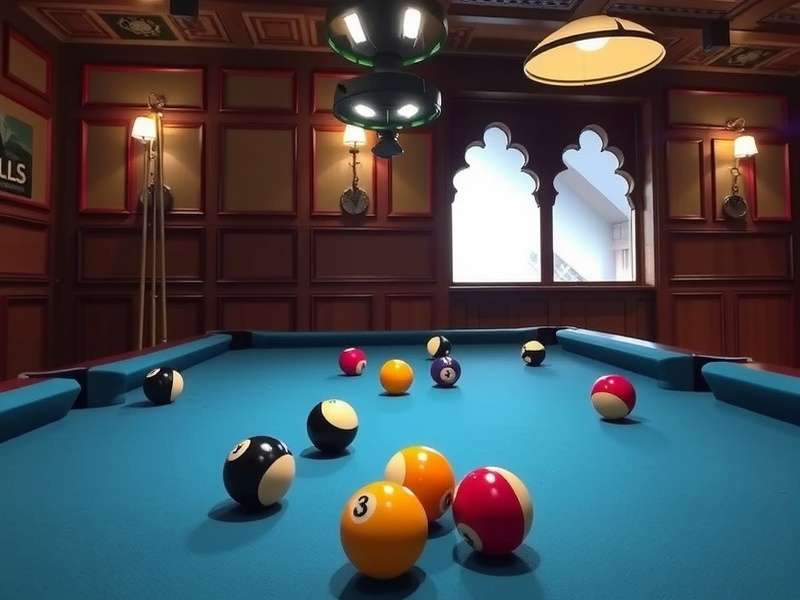
The game has evolved from regional pastime to national phenomenon, with tournaments held annually across India. Samosa Pool Ace demands not just technical skill but also strategic thinking, making it both accessible to beginners and deeply challenging for experts.
Table of Contents
Historical Development ?
The origins of Samosa Pool Ace can be traced to the royal courts of 18th century Rajasthan, where nobility sought new forms of entertainment that combined physical skill with intellectual challenge. Early versions of the game used carved stone balls and wooden cues on marble surfaces.
By the early 20th century, Samosa Pool Ace had spread beyond aristocratic circles to become a popular pastime in urban centers across India. The standardization of rules occurred in 1934 when the All India Samosa Pool Federation was established in Kolkata.
Historical Fact
The triangular table design was inspired by ancient Indian mathematical texts that explored geometric principles. This unique shape adds strategic complexity not found in rectangular pool tables.
Post-independence India saw a renaissance in traditional games, with Samosa Pool Ace benefiting from renewed cultural interest. The game received official recognition as a sport in 1978, leading to the establishment of national championships and training programs.
The internationalization of Samosa Pool Ace began in the 1990s, with exhibition matches held during cultural festivals worldwide. Today, the game enjoys a growing international following while maintaining its deep roots in Indian tradition.
Game Equipment ?
Authentic Samosa Pool Ace requires specialized equipment designed for the game's unique characteristics. The triangular table measures 7 feet on each side, with pockets positioned at each corner and at the midpoint of each side.
The game uses 15 balls: 7 striped, 7 solid, and one distinctive black ball with gold markings known as the "Ace Ball." Each ball is slightly larger than standard pool balls to accommodate the game's strategic requirements.
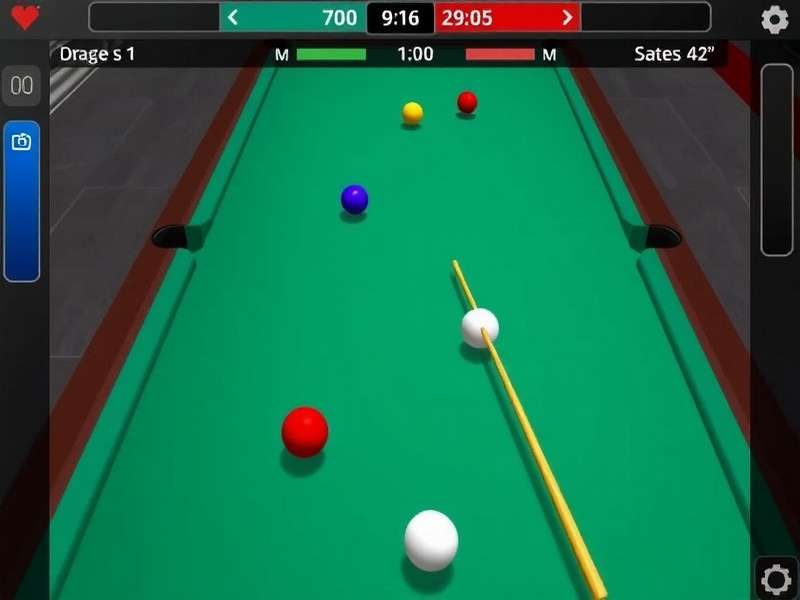
Cues used in Samosa Pool Ace are typically shorter than standard pool cues, with reinforced tips to handle the unique angles required by the triangular playing surface. Professional players often customize their cues with specific weight distributions and tip materials.
Official Rules ?
The rules of Samosa Pool Ace combine elements of traditional pool with unique provisions that leverage the triangular playing field. Games are typically played between two players or two teams of two players each.
Basic Gameplay
Opening Break: The game begins with a special triangular rack formation. The player must strike the lead ball to scatter the formation while ensuring at least four balls contact cushions.
Scoring System: Points are awarded based on ball type and pocket location. Corner pockets yield standard points, while side pockets offer bonus multipliers. The Ace Ball provides triple points when legally pocketed.
Fouls and Penalties: Common fouls include failing to hit any ball, scratching (cue ball pocketed), and illegal ball contact. Penalties typically involve point deductions and ball-in-hand for the opponent.
Winning Conditions
A standard game of Samosa Pool Ace is played to 100 points. Tournament matches may use different point thresholds based on competition level. The player who first reaches the target score while legally pocketing the final ball is declared the winner.
Pro Tip
Mastering the bank shots off the triangular cushions is essential for high-level Samosa Pool Ace play. The angles work differently than on rectangular tables, requiring specialized practice.
Winning Strategies ♟️
Success in Samosa Pool Ace requires a blend of technical precision, geometric understanding, and strategic foresight. Professional players develop comprehensive approaches that account for the game's unique characteristics.
Positional Play
Controlling the cue ball's position after each shot is crucial in Samosa Pool Ace. The triangular table creates different positional challenges compared to rectangular surfaces. Expert players plan 3-5 shots ahead, considering both offensive opportunities and defensive safety plays.
Angle Mastery
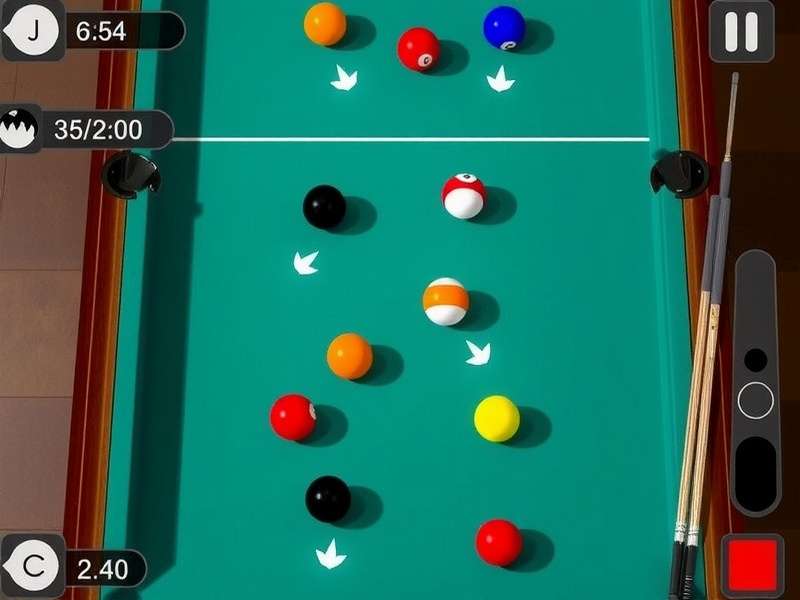
The geometry of Samosa Pool Ace demands exceptional understanding of angles and rebounds. Unlike traditional pool where angles are typically 90 degrees, the triangular configuration creates 60-degree and 120-degree angles that behave differently when balls strike cushions.
Psychological Elements
Beyond physical skill, Samosa Pool Ace incorporates significant psychological dimensions. Professional matches often feature strategic tempo changes, intentional safety plays, and calculated risk-taking designed to pressure opponents.
Cultural Significance ?
Samosa Pool Ace occupies a unique position in India's cultural landscape, representing both traditional values and modern competitive spirit. The game has been featured in numerous Bollywood films and is a staple of community centers across the country.
Regional variations of Samosa Pool Ace reflect India's diverse cultural tapestry. In West Bengal, the game incorporates elements of Durga Puja celebrations, while in Punjab, it's often played during Baisakhi festivals with special tournament rules.
Community Impact
Samosa Pool Ace clubs serve as important social hubs in many Indian communities, bringing together people of different ages and backgrounds. These spaces foster intergenerational connections and preserve traditional gaming knowledge.
The game has also inspired artistic expressions, including paintings, poetry, and musical compositions that celebrate its distinctive aesthetics and strategic depth. Annual Samosa Pool Ace championships attract not only players but also cultural enthusiasts who appreciate the game as a living tradition.
Major Tournaments ?
The competitive landscape of Samosa Pool Ace features several prestigious tournaments that attract top players from across India and increasingly from international locations. These events showcase the highest level of skill and strategic sophistication in the sport.
National Championships
The All India Samosa Pool Federation organizes the National Championships annually, rotating host cities to promote the game nationwide. This premier event features qualification tournaments in all states, culminating in a week-long national finals.
International Competitions
While Samosa Pool Ace remains predominantly an Indian sport, international interest has grown significantly. Exhibition matches and friendly tournaments have been held in countries with significant Indian diaspora communities, laying groundwork for future global competitions.
Tournament Fact
The longest recorded Samosa Pool Ace match lasted 8 hours and 42 minutes during the 2019 National Championships, featuring 37 consecutive safety exchanges before a decisive shot was attempted.
Famous Players ?
Throughout its history, Samosa Pool Ace has produced legendary players whose skills and contributions have shaped the game's development. These individuals have achieved remarkable competitive success while advancing strategic understanding.
Modern Champions
Contemporary Samosa Pool Ace features a new generation of players who combine traditional techniques with modern training methods. These athletes have raised the competitive standard while maintaining respect for the game's cultural heritage.
The future of Samosa Pool Ace appears bright, with growing youth participation and increasing media coverage. Development programs aim to preserve the game's traditional aspects while adapting to contemporary sporting landscapes.