Nach Veena Fusion: The Complete Encyclopedia
Exploring India's Unique Cultural Game Combining Classical Dance and Traditional Music
Overview of Nach Veena Fusion
Nach Veena Fusion represents a unique synthesis of India's rich cultural heritage, blending the rhythmic elegance of classical dance with the melodic sophistication of traditional veena music. This innovative cultural game has captivated audiences across India and beyond, serving as both entertainment and educational medium.
The game's core concept revolves around synchronizing dance movements with veena melodies, creating a harmonious interplay between visual and auditory artistic expressions. Participants engage in a dynamic performance where each musical phrase corresponds to specific dance sequences, requiring both musical acuity and physical coordination.
What distinguishes Nach Veena Fusion from other cultural games is its dual emphasis on technical precision and artistic interpretation. Players must not only execute movements correctly but also convey the emotional essence (bhava) of the musical composition through their dance.
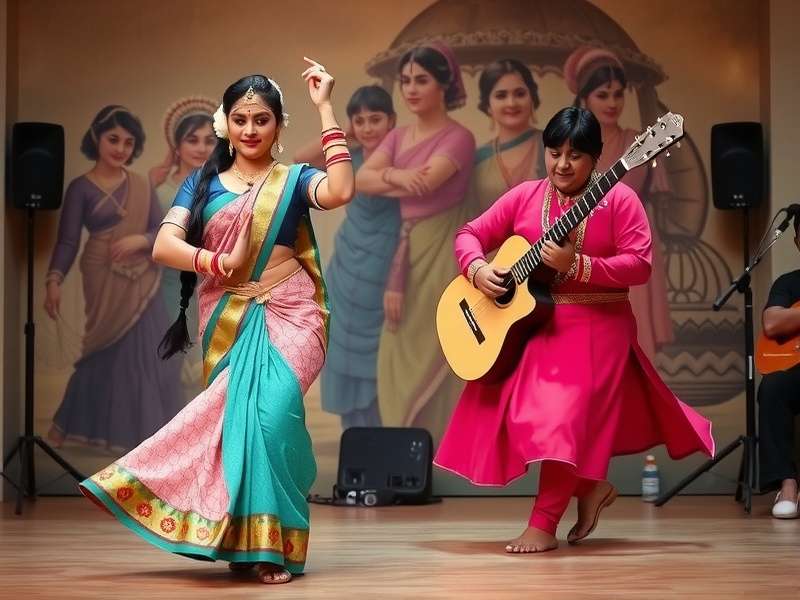
The game has evolved significantly since its inception, incorporating elements from various Indian classical dance forms including Bharatanatyam, Kathak, Odissi, and Kuchipudi, while the musical component draws from both Carnatic and Hindustani traditions.
Historical Origins and Development
The roots of Nach Veena Fusion can be traced to ancient Indian temple traditions where dance and music were intrinsically linked in devotional practices. Historical records suggest that similar synergistic performances existed as early as the 2nd century BCE in Tamil Sangam literature.
During the medieval period, the Bhakti movement further strengthened the connection between dance and music, with saints and poets composing works that seamlessly integrated both art forms. This period saw the emergence of structured performances that prefigured modern Nach Veena Fusion gameplay.
The game in its contemporary form began taking shape in the early 20th century, as Indian cultural revivalists sought to preserve traditional arts while making them accessible to new generations. Pioneers like Rukmini Devi Arundale and T. Balasaraswati experimented with formats that would eventually evolve into the structured game we know today.
Post-independence India saw a surge in popularity for Nach Veena Fusion, with regional variations emerging across different states. The game became particularly prominent in cultural festivals and inter-school competitions, serving as a medium for cultural education and community building.
The late 20th century witnessed the globalization of Indian culture, leading to international interest in Nach Veena Fusion. Expatriate communities adapted the game for diaspora audiences, while cultural organizations established formal training programs and certification systems.
Gameplay Mechanics and Rules
Basic Structure and Objectives
The fundamental objective of Nach Veena Fusion is to achieve perfect synchronization between dance movements and veena music across multiple rounds of increasing complexity. Players are evaluated on technical accuracy, rhythmic precision, emotional expression, and creative interpretation.
A standard game consists of three primary rounds: the Technical Round focusing on foundational movements (adavus) and basic ragas; the Creative Round allowing for improvisation within traditional parameters; and the Fusion Round incorporating contemporary elements while maintaining classical integrity.
Scoring System and Evaluation Criteria
Judges evaluate performances based on a comprehensive scoring system that assigns points across multiple categories: Tala (rhythmic accuracy), Swara (musical alignment), Bhava (emotional expression), and Laya (tempo maintenance). Each category carries equal weight in the final score.
Advanced levels introduce complex elements like ragam-tanam-pallavi in music and intricate footwork patterns in dance, requiring players to demonstrate both technical virtuosity and deep understanding of the artistic traditions.
Equipment and Setup
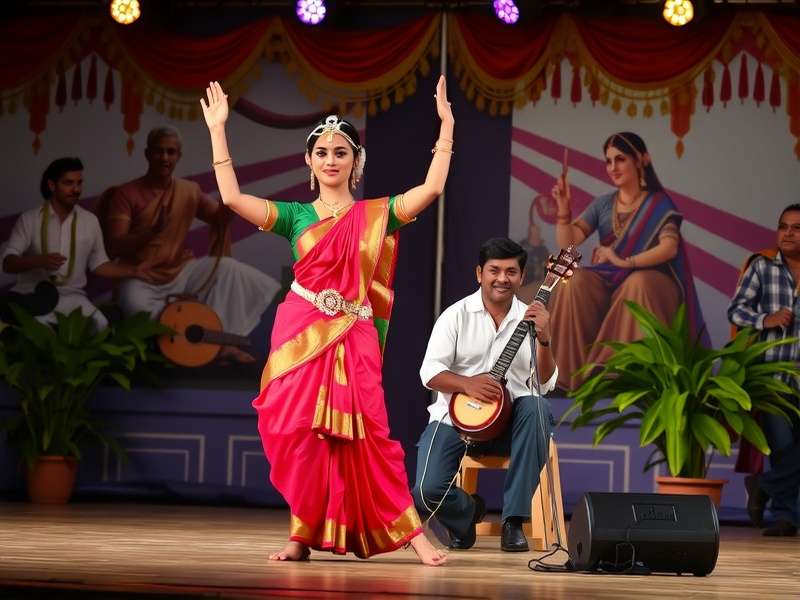
The traditional setup for Nach Veena Fusion requires a performance space large enough for dance movements, accompanied by at least one veena player. Modern adaptations may use recorded music, but purists maintain that live accompaniment is essential for authentic gameplay.
Standard equipment includes the Saraswati veena for South Indian style or Rudra veena for North Indian variations, appropriate dance attire (typically traditional costumes specific to the dance style), and rhythmic anklets (ghungroos) for auditory feedback on footwork.

Cultural Significance and Impact
Nach Veena Fusion occupies a unique position in India's cultural landscape as both preservation mechanism and innovation catalyst. The game has played a crucial role in sustaining interest in classical arts among younger generations who might otherwise perceive these traditions as inaccessible or outdated.
Beyond its entertainment value, the game serves important pedagogical functions. Many music and dance schools incorporate Nach Veena Fusion principles in their curriculum, using the game format to teach complex concepts like tala systems, raga structures, and compositional forms in an engaging manner.
The game has also fostered intergenerational dialogue, with elders sharing traditional knowledge and younger participants introducing innovative elements. This dynamic exchange has ensured the continuous evolution of Nach Veena Fusion while maintaining its cultural authenticity.
Regionally, the game has adapted to local traditions, resulting in distinctive variations across India. The Tamil version emphasizes complex rhythmic patterns, while the Bengali adaptation prioritizes lyrical expression. These regional differences enrich the overall Nach Veena Fusion ecosystem.
Social and Community Dimensions
Nach Veena Fusion tournaments often become community events that transcend artistic competition, serving as occasions for social gathering, cultural celebration, and inter-community dialogue. The game has been particularly effective in bridging urban-rural divides in cultural participation.
Numerous NGOs and cultural organizations have leveraged Nach Veena Fusion for social development initiatives, using the game to promote gender equality, disability inclusion, and interfaith harmony through shared cultural experiences.
Modern Adaptations and Digital Transformation
The digital era has transformed Nach Veena Fusion in profound ways, expanding its reach beyond physical spaces to virtual platforms. Mobile applications now allow players to practice with digital veena accompaniments, while motion capture technology enables detailed analysis of dance movements.
Virtual reality implementations of Nach Veena Fusion have created immersive experiences that simulate traditional performance settings, complete with virtual audiences and accompanists. These technological innovations have made the game accessible to international participants without access to traditional teachers.
Social media platforms have become important venues for Nach Veena Fusion content, with performers sharing clips, tutorials, and behind-the-scenes glimpses of their practice sessions. This digital presence has democratized access to what was once an elite art form.
Future Directions and Innovations
Emerging technologies like artificial intelligence are being integrated into Nach Veena Fusion platforms, with algorithms that can provide real-time feedback on technical accuracy and suggest improvements. These tools are particularly valuable for remote learning scenarios.
The growing global interest in mindfulness practices has positioned Nach Veena Fusion as a form of moving meditation, with new participant demographics discovering the game for its therapeutic benefits rather than purely competitive aspects.
Looking ahead, Nach Veena Fusion continues to evolve while maintaining its cultural roots. Hybrid formats that blend live and digital elements, cross-cultural collaborations, and interdisciplinary approaches ensure the game's relevance for future generations.