Overview of Jolly Jog
Jolly Jog is a traditional Indian running game that has been enjoyed by children and adults across the Indian subcontinent for generations. This energetic activity combines physical exercise with social interaction, making it a popular choice in schools, community gatherings, and family events.
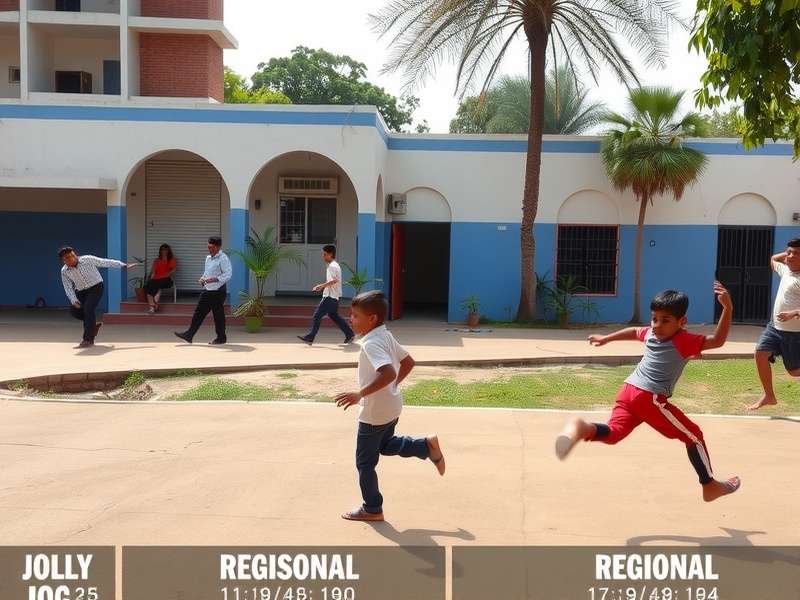
The game typically involves participants jogging or running in a specific pattern while following particular rules and sometimes chanting or singing traditional rhymes. Jolly Jog is not just about physical exertion but also about coordination, rhythm, and cultural expression.
Key Characteristics
Jolly Jog emphasizes joyful movement, community participation, and cultural preservation through physical activity. It's known for its ability to bring people together regardless of age or skill level.
Historical Background
The origins of Jolly Jog can be traced back to rural India, where children would imitate the rhythmic movements of farmers working in fields or animals moving through villages. Over time, these模仿 movements evolved into a structured game with specific rules and patterns.
Evolution Timeline
Early versions of the game were simple running exercises, but as it spread across different regions of India, local influences added unique elements including specific chants, hand movements, and variations in running patterns.
By the mid-20th century, Jolly Jog had become a staple in physical education programs across Indian schools. The game was particularly promoted for its ability to improve cardiovascular health while being accessible to children of all fitness levels.
In the 1980s, several educational institutions began documenting the rules and variations of Jolly Jog, leading to its standardization while still allowing for regional adaptations. This period marked the game's transition from an informal pastime to a recognized physical activity with pedagogical value.
Game Rules and Mechanics
The basic rules of Jolly Jog are designed to be simple enough for young children to understand while offering enough complexity to remain engaging for older participants.
Basic Rules
- Participants form a circle or line formation
- A leader initiates the movement pattern
- Players must maintain the designated jogging rhythm
- Specific footwork patterns must be followed
- Elimination occurs when players break rhythm or pattern
Advanced Variations
As players become more proficient with the basic Jolly Jog format, they can introduce more complex elements such as directional changes, speed variations, and incorporated hand clapping or chanting sequences.
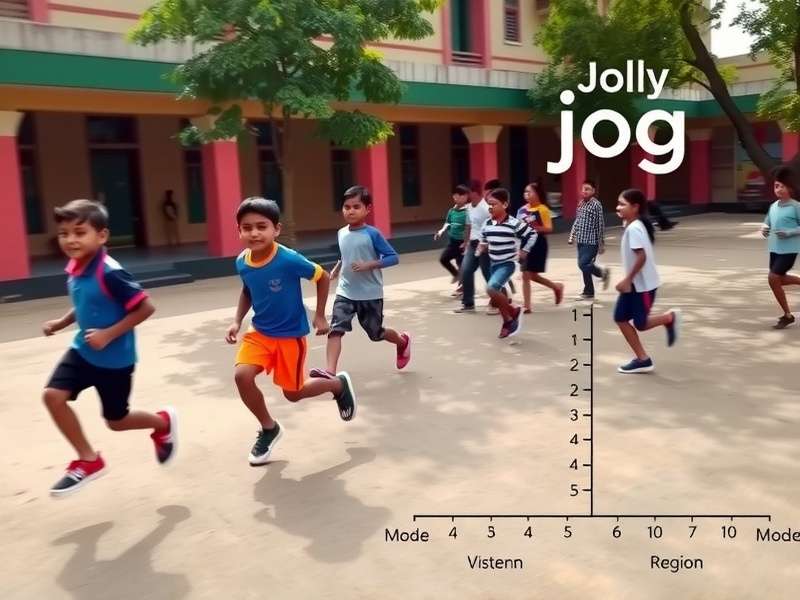
The competitive version of Jolly Jog involves timed challenges where participants must complete increasingly complex patterns without error. This format has gained popularity in inter-school competitions and cultural festivals across India.
Physical and Mental Benefits
Participating in Jolly Jog offers numerous health advantages that contribute to overall well-being. The game provides a complete workout that engages multiple aspects of physical fitness.
Physical Health Benefits
Regular participation in Jolly Jog improves cardiovascular endurance, enhances coordination and balance, strengthens leg muscles, and promotes healthy weight management. The rhythmic nature of the activity also helps develop a natural sense of timing and movement efficiency.
Cognitive and Social Advantages
Beyond physical health, Jolly Jog stimulates cognitive functions through its requirement to remember patterns and sequences. The social aspect of the game fosters teamwork, communication skills, and cultural awareness as participants often learn traditional chants and songs associated with the activity.
Mental Development
Studies have shown that rhythmic physical activities like Jolly Jog can improve memory, focus, and processing speed in children. The combination of physical exertion and mental concentration creates a holistic developmental experience.
Regional Variations
Across India's diverse cultural landscape, Jolly Jog has developed numerous regional variations that reflect local traditions and environments. These adaptations have enriched the game while maintaining its core principles.
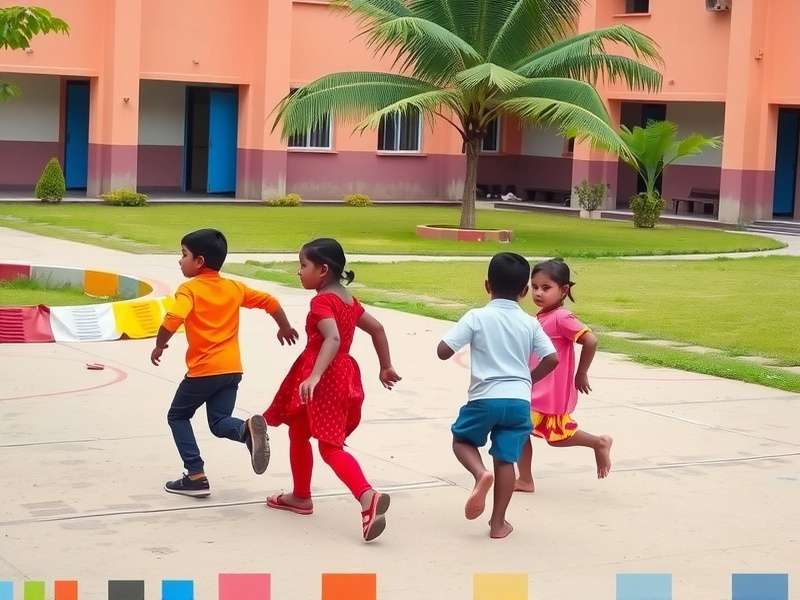
Notable Regional Styles
In Northern India, Jolly Jog often incorporates elements of traditional dance, with more elaborate footwork and hand movements. The Punjabi version, for example, includes bhangra-inspired steps that add vibrancy and energy to the game.
Southern Adaptations
In Southern states like Tamil Nadu and Kerala, Jolly Jog frequently includes rhythmic clapping patterns and Tamil or Malayalam folk songs. The tempo tends to be slightly faster, reflecting the musical traditions of the region.
Eastern variations of Jolly Jog often incorporate elements from tribal traditions, with more natural, fluid movements inspired by animals and nature. The Western Indian version, particularly in Gujarat and Maharashtra, includes celebratory elements often performed during festivals.
Cultural Significance and Modern Relevance
Jolly Jog represents more than just physical activity; it serves as a living repository of Indian cultural traditions, community values, and intergenerational connection.
Community Building
The game has historically functioned as a community-building activity, bringing together people of different ages and backgrounds. In village settings, Jolly Jog events often become social gatherings that strengthen community bonds.
Preservation and Innovation
In recent years, efforts to preserve traditional games like Jolly Jog have gained momentum. Cultural organizations and educational institutions are documenting variations, creating instructional materials, and organizing events to ensure this cultural heritage is not lost to modernization.
Digital Age Adaptation
Interestingly, Jolly Jog has found new life in the digital age through mobile applications and online tutorials that teach the game to a global audience. Virtual Jolly Jog challenges have emerged, allowing participants from different countries to learn and enjoy this traditional Indian activity.
Modern physical education programs continue to recognize the value of Jolly Jog as an inclusive activity that promotes health while connecting participants to cultural roots. Its adaptability ensures that it remains relevant in changing social contexts while preserving its essential character.
As India continues to urbanize, Jolly Jog serves as an important link to traditional ways of life, reminding participants of the joy found in simple, community-oriented physical activities. Its endurance through generations stands as testament to its inherent appeal and cultural significance.