Durga Dash: India's Timeless Traditional Game ?
Discover the rich heritage and exciting gameplay of Durga Dash, a traditional Indian game that has captivated generations with its unique blend of strategy, skill, and cultural symbolism.
? Game Overview
Durga Dash represents one of India's most cherished traditional games, deeply rooted in the cultural fabric of the subcontinent. This strategic board game combines elements of chance, tactical planning, and mythological symbolism that reflect India's rich heritage.
The name Durga Dash derives from the Hindu goddess Durga, symbolizing strength and victory, and "Dash" representing the swift movement characteristic of gameplay. This combination perfectly captures the essence of the game - strategic power combined with dynamic action.
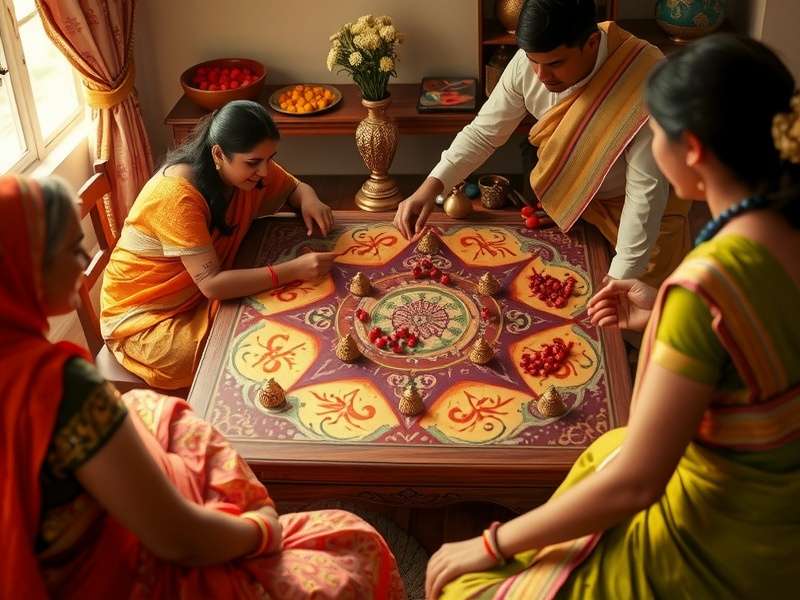
Traditionally played during festivals and family gatherings, Durga Dash serves as both entertainment and cultural education. The game board itself often features intricate designs inspired by traditional Indian art, with each element carrying symbolic meaning.
? Key Characteristics
Strategic Depth
Combines luck and strategy for engaging gameplay
Social Game
Perfect for 2-6 players of all ages
Cultural Heritage
Preserves traditional Indian values and stories
? Historical Origins
The origins of Durga Dash can be traced back several centuries to rural India, where it began as a simple pastime among village communities. Historical records suggest the game evolved from earlier traditional games that combined storytelling with strategic movement.
Archaeological evidence points to the existence of similar games during the Gupta Empire, though the modern form of Durga Dash likely developed between the 15th and 17th centuries. The game spread across different regions of India, with each area adding its unique variations and rules.
?️ Evolution Through Centuries
During the Mughal era, Durga Dash gained popularity in royal courts, where elaborate versions of the game were crafted with precious materials. The British colonial period saw the game being documented by European scholars fascinated by Indian cultural traditions.
The 20th century marked a renaissance for Durga Dash as Indian independence movements embraced traditional games as symbols of cultural identity. Post-independence, the game experienced renewed interest as part of efforts to preserve India's intangible cultural heritage.
Today, Durga Dash stands as a testament to India's living cultural traditions, with tournaments organized during major festivals and cultural events. The game continues to evolve while maintaining its core principles and cultural significance.
? Game Rules & Gameplay
Understanding the rules of Durga Dash is essential to appreciating its strategic depth and cultural context. The game balances simplicity for beginners with complex strategies for experienced players.
? Basic Gameplay Mechanics
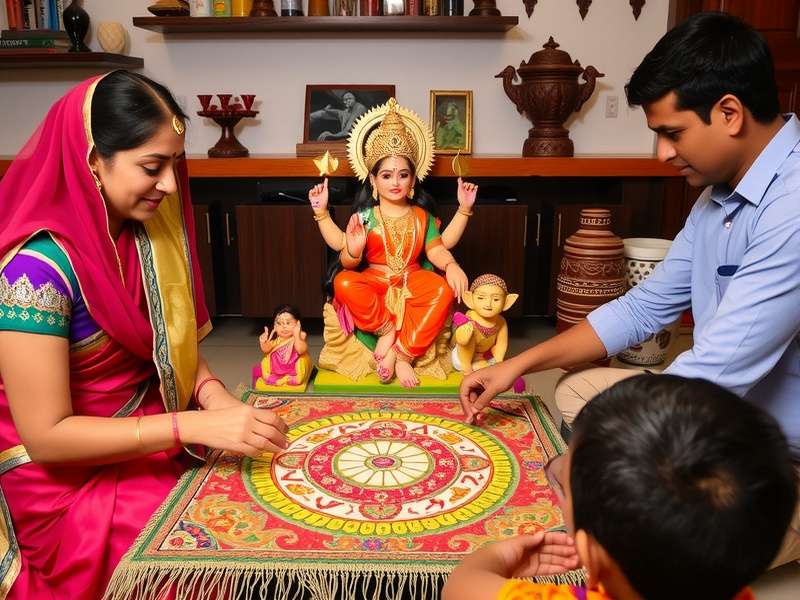
The standard Durga Dash board features a circular path divided into 108 spaces, representing the cosmic cycle in Hindu philosophy. Each player controls four tokens that must complete the circuit before returning to the home position.
Movement is determined by throwing six cowrie shells, a traditional Indian randomizer. The number of shells that land with their openings facing up determines how many spaces a player can move. This element of chance ensures that every game of Durga Dash remains unpredictable and exciting.
⚡ Special Moves & Strategies
Strategic depth in Durga Dash comes from special spaces on the board that allow players to capture opponents' tokens or gain extra moves. The "Durga's Blessing" spaces provide protection, while "Rakshasa" spaces pose challenges that players must overcome.
Advanced players develop sophisticated strategies for token placement and movement timing. The interplay between offensive and defensive tactics creates a dynamic gameplay experience that rewards both careful planning and adaptability.
? Winning Conditions
Victory in Durga Dash is achieved when a player successfully moves all four of their tokens around the board and back to the home position. The first player to accomplish this feat is declared the winner, though traditional variations often include additional victory conditions based on specific token arrangements.
The game can last from 30 minutes to several hours, depending on player count and experience level. This variability makes Durga Dash suitable for both quick casual play and extended strategic sessions.
? Cultural & Social Significance
Durga Dash holds profound cultural significance in Indian society, serving as more than mere entertainment. The game functions as a vehicle for transmitting cultural values, mythological stories, and social norms across generations.
? Educational Value
Traditionally, Durga Dash served as an educational tool, teaching mathematics through movement counting, strategy through gameplay, and ethics through the game's underlying moral framework. The mythological elements incorporated into the game provide opportunities for storytelling and cultural transmission.
Elders often use Durga Dash sessions to share folk tales and moral lessons with younger generations. This intergenerational exchange strengthens family bonds while preserving oral traditions that might otherwise be lost.
? Festival Associations
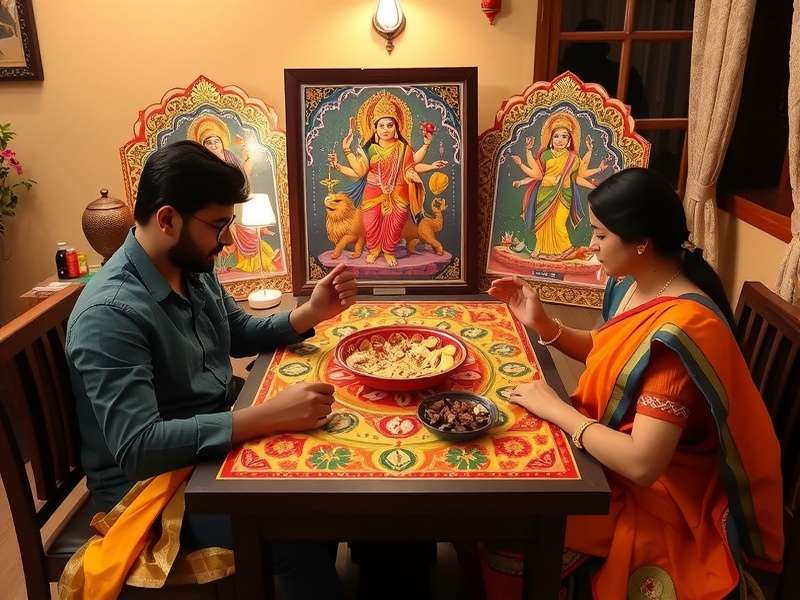
Durga Dash is particularly associated with Durga Puja celebrations in Eastern India, where special tournaments are organized as part of the festivities. During Diwali, families often play the game as part of their celebrations, connecting the gameplay to the festival's themes of good overcoming evil.
Regional variations of Durga Dash have developed specific associations with local festivals and cultural events. These variations enrich India's diverse cultural landscape while maintaining the game's core identity and appeal.
? Modern Adaptations & Digital Evolution
In the 21st century, Durga Dash has undergone significant transformations while maintaining its traditional essence. Digital adaptations have brought this classic game to global audiences, ensuring its continued relevance in the modern era.
? Digital Platforms
Mobile applications and online platforms have made Durga Dash accessible to players worldwide. These digital versions preserve the game's traditional rules while adding features like tutorials, AI opponents, and online multiplayer capabilities.
The digital evolution of Durga Dash has introduced the game to new generations who might not otherwise encounter traditional Indian games. This technological adaptation represents an important step in preserving cultural heritage while embracing modern entertainment mediums.
? Contemporary Interpretations
Modern artists and game designers have created innovative interpretations of Durga Dash that blend traditional elements with contemporary aesthetics. These versions often feature updated artwork, streamlined rules, and thematic variations that appeal to diverse audiences.
Educational institutions have recognized the value of Durga Dash for teaching strategic thinking and cultural awareness. Some schools have incorporated the game into their curricula, using it as a tool for developing cognitive skills while introducing students to Indian cultural traditions.
? Future Prospects
The future of Durga Dash appears bright, with growing interest in traditional games as alternatives to digital entertainment. The game's perfect balance of chance and strategy, combined with its rich cultural background, positions it well for continued popularity in the years ahead.
International game conventions have begun featuring Durga Dash in their traditional games sections, introducing it to global audiences. This international exposure promises to further enrich the game's development while spreading appreciation for India's cultural heritage.
? Preserving Cultural Heritage Through Play
Durga Dash represents more than just a game - it is a living repository of Indian culture, values, and storytelling traditions. As both a cherished pastime and cultural artifact, it continues to bring people together across generations and geographical boundaries.
The enduring appeal of Durga Dash demonstrates the power of traditional games to adapt and thrive in changing times. By embracing both its historical roots and contemporary applications, this remarkable game ensures that India's rich cultural heritage remains vibrant and accessible for future generations.