Carrom Pro Challenge Overview
The Carrom Pro Challenge represents the pinnacle of competitive carrom playing, a traditional Indian board game that has captivated players for generations.
This strategic game combines elements of skill, precision, and tactical thinking, making it a favorite pastime across the Indian subcontinent and beyond.
Players use a striker to flick discs into corner pockets, requiring both physical dexterity and mental calculation. The game's simplicity belies its depth of strategy.
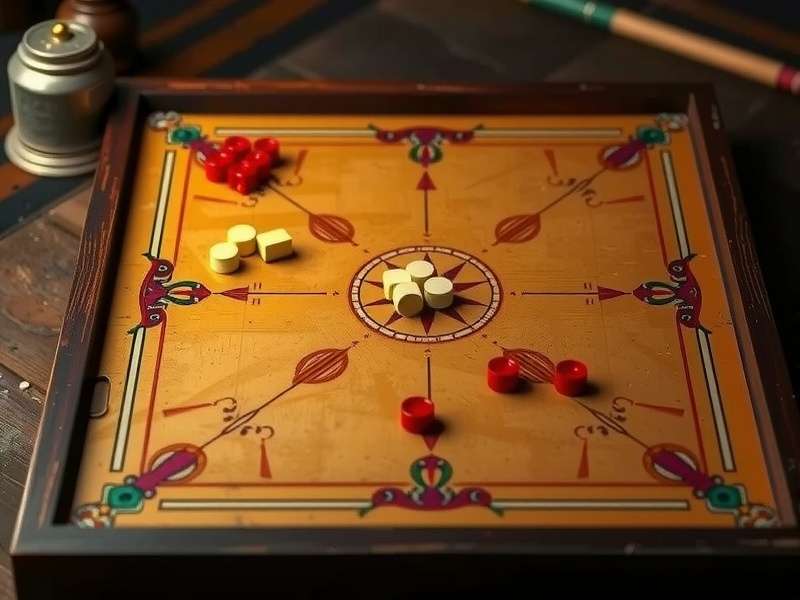
Modern competitive play has standardized rules and equipment, creating a level playing field for enthusiasts of the Carrom Pro Challenge worldwide.
Historical Origins and Evolution
The origins of carrom trace back to the Indian subcontinent, with historical references dating to the 18th century.
Some historians believe the game was invented by Indian maharajas, while others suggest it evolved from older games brought by Portuguese colonists.
By the early 20th century, carrom had become a staple of social gatherings, played in homes, clubs, and community centers throughout South Asia.
The Carrom Pro Challenge format emerged in the 1990s as television coverage and sponsorship increased the game's visibility and competitive stakes.
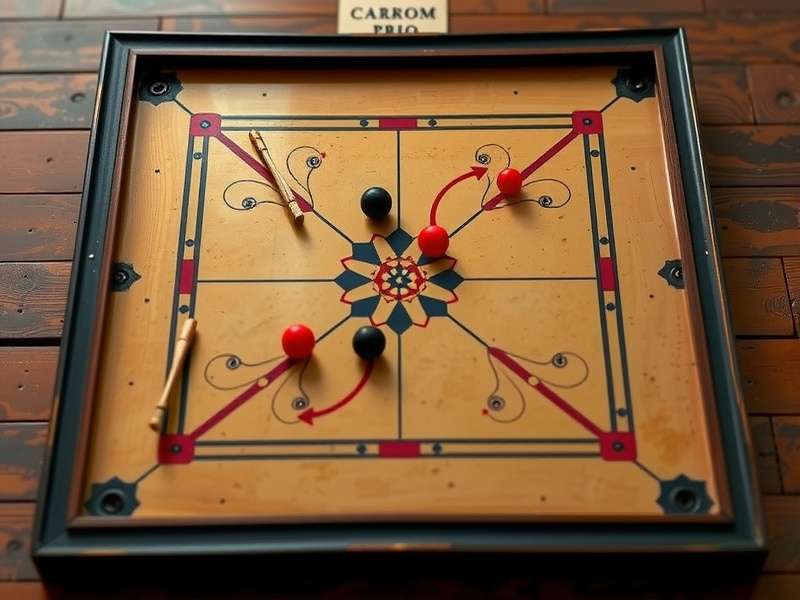
Today, digital versions and online tournaments have expanded the reach of carrom, while preserving the traditional skills required for the physical game.
Official Rules and Gameplay
Understanding the official rules is essential for anyone aspiring to compete in the Carrom Pro Challenge tournaments.
Basic Setup and Equipment
The standard carrom board is a square playing surface, typically 74-76cm on each side, with four corner pockets.
Nineteen playing pieces (nine white, nine black, and one red queen) are arranged in a specific pattern at the center of the board.
Scoring System
Standard carrom uses a point-based scoring system where white and black pieces are worth 1 point each, while the red queen is worth 3 points.
A player must cover the queen by pocketing one of their pieces immediately after pocketing the queen, or the queen returns to the board.
Fouls and Penalties
Common fouls include pocketing the striker, failing to touch any piece with the striker, or pocketing an opponent's piece.
Penalties typically involve returning one previously pocketed piece to the board or loss of turn, depending on the specific violation.
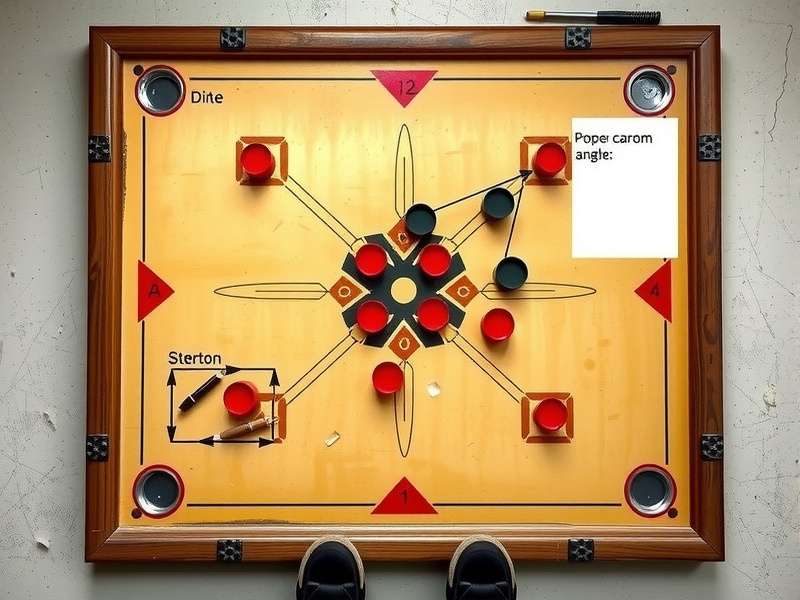
Mastering the official rules is the first step toward excelling in the competitive Carrom Pro Challenge environment.
Advanced Techniques and Strategies
Elite players in the Carrom Pro Challenge employ a variety of sophisticated techniques to outmaneuver opponents.
Striking Methods
The basic strike involves using the index finger to flick the striker, but advanced players master multiple striking techniques for different situations.
Strategic Positioning
Beyond mere shot-making, successful carrom players think several moves ahead, setting up favorable board positions.
Defensive positioning involves leaving the board in a difficult configuration for the opponent, while offensive positioning creates multiple scoring opportunities.
Queen Strategy
Managing the queen piece represents one of the most critical strategic elements in high-level Carrom Pro Challenge play.
Some players attempt to pocket the queen early to secure the bonus points, while others wait until they have sufficient pieces to guarantee covering it.
Advanced players may use the queen as a tactical element, positioning it to block opponent shots or create combination opportunities.
Competitive Tournaments and Championships
The Carrom Pro Challenge circuit includes numerous prestigious tournaments at national and international levels.
Major International Events
The World Carrom Championships, organized by the International Carrom Federation, represent the highest level of competitive play.
Regional tournaments include the Asian Carrom Championships, European Carrom Championships, and various national championships across carrom-playing nations.
Professional Leagues and Rankings
The introduction of professional carrom leagues has created new opportunities for players to compete full-time.
The International Carrom Federation maintains official world rankings based on tournament performance over a rolling two-year period.
Future Developments
The continued growth of the Carrom Pro Challenge ecosystem depends on youth development programs and increased media coverage.
Digital platforms and mobile applications are introducing the game to new audiences worldwide, potentially expanding the competitive player base.
Efforts to include carrom in multi-sport events like the Asian Games could further elevate its profile and competitive standing.
Cultural Impact and Social Significance
Beyond competitive play, carrom holds significant cultural importance throughout South Asia and the diaspora communities worldwide.
The game serves as a social lubricant, bringing together people of different ages, backgrounds, and social statuses around a shared activity.
In many Indian households, carrom boards are cherished family possessions, passed down through generations along with playing techniques and strategies.
The game's accessibility—requiring relatively inexpensive equipment and minimal space—has contributed to its widespread popularity across economic strata.
As carrom gains international recognition, it serves as a cultural ambassador for South Asian traditions while adapting to global sporting conventions.
Training and Skill Development
Aspiring competitors in the Carrom Pro Challenge must develop both technical skills and strategic thinking through systematic training.
Fundamental Drills
Basic training focuses on developing consistent striking technique, accurate aim, and controlled power application.
Common drills include repetitive pocketing of single pieces, combination shots, and precision positioning exercises.
Mental Preparation
Competitive carrom requires intense concentration, pattern recognition, and emotional control under pressure.
Many professional players incorporate meditation, visualization techniques, and sports psychology into their training routines.
Physical Conditioning
While carrom is not physically demanding in the same way as athletic sports, specific physical attributes contribute to success.
Hand-eye coordination, fine motor control, and stable posture are all developed through targeted exercises and practice.
Many players also focus on wrist strength and flexibility to enhance striking power and control.
Equipment and Technology
The evolution of carrom equipment has significantly influenced the development of the Carrom Pro Challenge as a competitive sport.
Board Design and Materials
Traditional carrom boards were made of wood, but modern tournament boards use specialized materials to ensure consistent playing surfaces.
The playing surface must be perfectly smooth with precisely calibrated pocket sizes and rebound characteristics.
Pieces and Striker
Carrom pieces have evolved from simple wooden discs to precision-engineered objects with consistent weight and dimensions.
The striker, traditionally made of heavier material, now comes in various weights to suit different playing styles.
Digital Integration
Modern tournaments increasingly use electronic scoring systems and video review technology for disputed calls.
Some advanced training facilities employ motion capture technology to analyze and refine player technique.
Online platforms and mobile apps have created new ways for players to practice, compete, and learn from top competitors worldwide.